
Four additional patients have become ill due to an E. coli outbreak associated with ground beef from Wolverine Packing Co.

MINNEAPOLIS — The Minnesota Department of Health and the United States Department of Agriculture say they have confirmed a total of 15 cases of E. coli related illnesses in Minnesota.
The USDA announced Thursday that an additional four cases have been linked to the E. coli outbreak, on top of the 11 cases the Minnesota Department of Health has confirmed.
The 11 cases were linked to burgers sold at two different restaurants in Minneapolis: Red Cow and Hen House Eatery.
The contamination has been linked to ground beef products sold from Wolverine Packing Co., a meat-packing plant located in Detroit. The Food Safety and Inspection Service said they were first notified of an E. coli related illness on Nov. 14.
Reports from the Minnesota Department of Health and the USDA say illness onset dates for the 15 patients ranges from Nov. 2 to Nov. 10.
So far, the USDA says Wolverine Packing Co. has recalled 167,277 pounds of ground beef products that may be contaminated with E. coli.
The recall, issued Wednesday by the U.S. Food Safety and Inspection Service (FSIS), involves Wolverine Packing Co. out of Detroit, Michigan. The products were shipped to a number of restaurants in Minnesota including multiple Red Cow locations and Hen House Eatery in Minneapolis.
The government agency says consumers should look at the packaging of any ground beef products produced by Wolverine Packing Co., keeping a close eye on labeling that have a “used by” date of Nov. 14 on fresh products and frozen products with a labeled production date of Oct. 22.
The Food Safety and Inspection Service says they are continuing to work closely with the Minnesota Department of Health to investigate this outbreak.
The USDA defines as E. coli is a potentially deadly bacterium. Symptoms of E. coli illness include dehydration, bloody diarrhea and abdominal cramps that can last two to eight days after exposure. Most people recover within a week, but in some rare cases some patients have developed a type of kidney failure called “hemolytic uremic syndrome.”
The Minnesota Department of Health has also linked E. coli to a now recalled bag of organic carrots.
The illnesses occurred between Sept. 21 and Oct. 6 and have been linked to carrots purchased from Costco, Target and HyVee, the department says. Brands included Good and Gather, Bunny Luv and Cal-Organic.
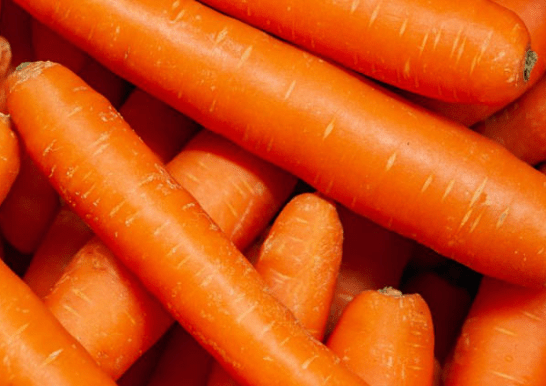
Grimmway Farms, which made and packaged the carrots, issued the recall on November 16 Saturday. If you have any of these carrots at home, it’s best to dispose of them to avoid any risk of illness.
What is E. Coli?
E. coli, or Escherichia coli, is a type of bacteria commonly found in the intestines of humans and animals. While most strains of E. coli are harmless and play a crucial role in maintaining a healthy gut, some strains can cause serious foodborne illness. Here are some key points about E. coli:
- Symptoms: Infections can cause symptoms such as severe stomach cramps, diarrhea (often bloody), vomiting, and sometimes fever. Symptoms typically appear 3-4 days after exposure.
- Sources: E. coli infections are often linked to contaminated food or water. Common sources include undercooked ground beef, raw vegetables, unpasteurized milk and juice, and contaminated water.
- Prevention: To prevent E. coli infections, it’s important to practice good hygiene, such as washing hands thoroughly, cooking meat to safe temperatures, avoiding unprocessed milk, and washing fruits and vegetables before eating.
- Complications: In severe cases, E. coli infections can lead to a condition called hemolytic uremic syndrome (HUS), which can cause kidney failure and other serious health issues.
How is E. Coli Infection Treated?
Treating an E. coli infection primarily involves supportive care to manage symptoms and prevent complications. Here are the key aspects of treatment:
- Hydration: Staying hydrated is crucial, especially if experiencing diarrhea. Drinking plenty of fluids helps replace lost fluids and electrolytes.
- Rest: Getting plenty of rest helps the body recover from the infection.
- Avoiding Anti-Diarrheal Medications: It’s generally recommended to avoid anti-diarrheal medications, as they can slow down the elimination of the bacteria from the digestive system.
- Antibiotics: In most cases, antibiotics are not recommended for E. coli infections, as they can sometimes worsen the illness by releasing more toxins.
- Hospitalization: Severe cases, especially those leading to complications like hemolytic uremic syndrome (HUS), may require hospitalization. Treatment in such cases can include intravenous fluids, blood transfusions, and kidney dialysis.
- Diet: Once symptoms improve, gradually reintroducing a normal diet can help. Avoiding dairy products, fatty foods, high-fiber foods, and highly seasoned foods can prevent worsening of symptoms.
If you have severe symptoms such as intense stomach cramps, bloody diarrhea, or an inability to keep down fluids, it’s important to seek medical attention promptly.
 MASCO Corporation