
Psychology is Extensively Applied to Health and Wellness Across Numerous Specialties
The following areas represent key branches and subspecialities where psychological principles are used to influence physical health, prevent illness, manage chronic conditions, and improve healthcare systems.
Clinical Health Psychology:
Application of Scientific knowledge of the interrelationships among behavioral, emotional, cognitive, social, and biological factors in health and illness to clinical questions that arise across the spectrum of healthcare. Health Psychologist use psychological science to promote health, prevent illness and improve health care systems.
Behavioral Medicine:
A multidisciplinary field that integrates behavioral and biomedical science knowledge to improve health, well-being and treat diseases.
Neuropsychology (Clinical):
Focuses on the relationship between brain function and behavior including assessment and treatment of patients with brain injuries, strokes, demands or other neurological disorders.
Counseling Psychology:
Focuses on helping individuals navigate life challenges, including health-related concerns, to improve their social and emotional well-being and interpersonal functioning across the lifespan.
Pediatric Psychology:
A subspecialty concerned with the physical and mental health of children and adolescents, often working in medical settings with chronic conditions like diabetes or cancer.
Rehabilitation Psychology:
Helps individuals with physical disabilities, severe chronic illness, or traumatic injuries adapt to new conditions, manage pain, and enhance their overall quality of life.
Occupational Health Psychology (OHP):
Examines the impact of workplace factors (e.g. stress, work-life balance) on physical and mental health to protect and improve employee well-being.
Public Health Psychology:
Investigates causal links between psychological factors and health at the population level, often informing public health initiatives and policies to promote better health outcomes.
Community Health Psychology:
Focuses on community factors that contribute to the health and well-being of individuals, developing interventions to combat prevalent diseases within specific communities.
Psycho-Oncology:
A specialization providing psychological care for cancer patients and their families, focusing on coping strategies, treatment adherence and quality of life.
Workplace‑based wellness strategies (balanced nutrition + ergonomics) with pharmaceutical interventions like Zepbound and Mounjaro.
The disadvantages of relying on Eli Lilly’s medications instead of lifestyle‑ and workplace‑based approaches.
⚖️ Disadvantages of Using Zepbound or Mounjaro Instead of Balanced Nutrition & Ergonomics
Balanced nutrition and ergonomic improvements are low‑risk, sustainable, and preventive. In contrast, medications like Zepbound and Mounjaro—both containing tirzepatide—come with medical, financial, and practical drawbacks.
The disadvantages below are grounded in the search results you triggered.
📌 1. Significant Side Effects
Both Zepbound and Mounjaro commonly cause gastrointestinal issues:
- Nausea (up to 29% for Zepbound; 18% for Mounjaro)
- Vomiting
- Diarrhea
- Constipation
- Stomach pain
More serious risks include:
- Pancreatitis
- Gallbladder disease
- Kidney damage
- Possible thyroid tumors (contraindicated for people with certain thyroid cancer histories)
Balanced nutrition and ergonomic improvements do not carry these medical risks.
📌 2. They Require Weekly Injections
Zepbound and Mounjaro are injectable medications, taken once weekly.
This introduces:
- Needle anxiety
- Injection‑site reactions
- Need for training on proper administration
Workplace wellness strategies avoid medical procedures entirely.
📌 3. High Cost and Insurance Limitations
Zepbound and Mounjaro are brand‑name only with no generics available.
Insurance coverage varies:
- Zepbound: weight management or sleep apnea benefits only
- Mounjaro: diabetes benefits only
Balanced nutrition and ergonomic interventions are typically:
- Lower cost
- Covered by employers
- Long‑term investments rather than recurring expenses
📌 4. Risk of Rebound Weight Gain
Stopping tirzepatide can lead to weight regain, a known issue with GLP‑1/GIP agonists (noted in clinical discussions and consistent with the mechanism described in the search results).
Nutrition and ergonomic improvements build sustainable habits that don’t disappear when a medication stops.
📌 5. Not a Substitute for Healthy Habits
Even the FDA‑approved use of Zepbound requires:
- Reduced‑calorie diet
- Increased physical activity
Meaning: You still need nutrition and lifestyle changes even when using the drug.
Workplace wellness programs directly target these root causes.
📌 6. Does Not Address Workplace Stressors
Zepbound and Mounjaro treat biological symptoms, not the environmental causes of obesity or diabetes risk, such as:
- Chronic stress
- Poor work‑life balance
- Sedentary work
- Poor ergonomics
- Irregular schedules
Occupational health psychology emphasizes modifying the work environment, which medications cannot do.
📌 7. Contraindications Limit Who Can Use Them
People with the following cannot use tirzepatide:
- Personal or family history of medullary thyroid carcinoma
- Multiple Endocrine Neoplasia syndrome type 2
- Type 1 diabetes (for Mounjaro)
Nutrition and ergonomic improvements are universally applicable.
✅ Summary Table
| Factor | Zepbound / Mounjaro | Balanced Nutrition & Ergonomics |
|---|---|---|
| Side effects | High (GI issues, serious risks) | Minimal |
| Cost | High, brand‑name only | Low to moderate |
| Sustainability | Dependent on continued use | Long‑term habit‑based |
| Addresses workplace causes | No | Yes |
| Accessibility | Limited by contraindications | Universal |
| Administration | Weekly injections | No medical procedures |
✅ Bottom Line
Zepbound and Mounjaro can be effective for obesity and diabetes, but they come with medical risks, high costs, and do not address workplace‑driven contributors to health issues. Balanced nutrition and ergonomic improvements are safer, preventive, and sustainable, especially within an occupational health psychology framework.
Addiction Psychology/Substance Abuse Treatment:
Concentrates on the treatment and assessment of substance use disorders and the behavioral, and psychological factored involved in addiction and recovery.
Pain Psychology:
Works with chronic pain sufferers to manage pain, develop coping mechanisms, and improve the overall functioning, often as part of a multidisciplinary team.
Cardiac Psychology:
Addresses psychological diseases, including risk reduction, stress management, and recovery from cardiac events.
Sleep Psychology:
Specializes in treating insomnia and other sleep disorders using behavioral interventions, with Cognitive Behavioral Therapy for Insomnia (CBT-l) often considered the gold standard treatment.
Geripsychology (Geriatric Psychology):
Focuses on the mental and physical health needs of older adults. including age related cognitive decline, chronic illness management, and end-of-life care.
Sports Psychology:
The study of how psychology influences sports, athletic performance and exercise, using physical activity to enhance overall health and well-being.
Nutritional Psychology/Behavioral Nutrition:
Examines the relationship between diet eating behaviors, and psychological well-being, often dealing with issues like weight management or eating disorders.
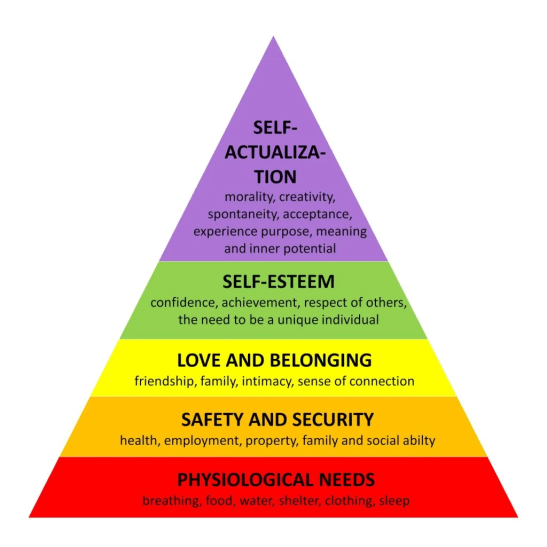
Abnormal Psychology:
While often focused on mental illness, understanding abnormal behavior helps inform clinical practice for a wide range of psychological and physical and physical health issues.
Developmental Psychology:
Studies how individuals change and grow throughout the lifespan, informing health interventions from prenatal care to geriatric health.
Corporation insisting on Healthier Choices lifestyle are benefiting and seeing great progress with patients by using nutrition matrix to combat most these diagnoses using Applied Human Psychology.
Biopsychology (Behavioral Neuroscience):
Focuses on the biological bases of behavior and health, such as the role of the brain, genetics, and neurotransmitters in physical and mental conditions.
These top 20 topics cover how behavior, thoughts, emotions, and social factors influence physical well-being, illness prevention, and treatment.
The 5Ps in Mental Health is a framework for case formulation that helps understand a person’s difficulties by examining 5 key areas: Presenting Problems, Predisposing Factors, Precipitating Factors, Perpetuating Factors, and Protective Factors. This model provides a systematic and holistic view to guide treatment by exploring what the person is experiencing, what might have made them vulnerable, what triggered it, what keeps it coming, and what strengths can help them cope.
Here are 20 key areas and topics within health psychology:
Core Areas & Foundational Concepts
- Biopsychosocial Model: A foundational framework that views health and illness as the result of biological, psychological, and social factors interacting with each other.
- Stress and Coping Mechanisms: The study of how stress impacts the body (e.g., immune function, cardiovascular health) and effective strategies (e.g., mindfulness, social support) for managing it.
- Health Behavior Change: Understanding why people adopt or fail to adopt healthy lifestyles and developing interventions to modify behaviors such as diet, exercise, and smoking cessation.
- Health Beliefs and Attitudes: Examining how an individual’s perceptions of susceptibility, severity, benefits, and barriers to health problems influence their health behaviors (e.g., using the Health Belief Model).
- Self-Efficacy: A person’s belief in their capacity to successfully perform a specific health behavior, which is a major predictor of motivation and success in behavior change efforts.
Lifestyle and Behavioral Factors
- Weight Management and Obesity: Psychological factors influencing eating behaviors, body image perception, and the development and efficacy of weight loss interventions.
- Addictive Behaviors: Understanding the psychology of addiction to substances (alcohol, drugs, tobacco) and developing effective prevention and relapse prevention programs.
- Exercise and Physical Activity: The psychological factors (motivation, self-efficacy) that influence adherence to exercise programs and the impact of physical activity on mental well-being.
- Sleep Quality and Disorders: The role of sleep in cognitive performance and physical health, as well as psychological interventions for managing conditions like insomnia.
- Nutrition and Eating Disorders: The psychological components of dietary habits and the assessment and management of disorders such as anorexia and bulimia.
Illness and Treatment Management
- Patient Adherence/Compliance: Investigating why patients may not follow medical advice or treatment plans and developing strategies to improve communication and compliance.
- Coping with Chronic Illness: The emotional and social consequences of living with chronic conditions (e.g., diabetes, heart disease, cancer) and psychological support for adjustment.
- Pain Management: Psychological techniques (e.g., meditation, cognitive-behavioral therapy) for controlling and managing both acute and chronic pain.
- Doctor-Patient Communication: Improving the quality of interaction between healthcare providers and patients to enhance patient satisfaction and health outcomes.
- Hospice Care and Grief Counseling: Providing psychological support and counseling to patients with terminal illnesses and their families.
Social and Environmental Contexts
- Social Support and Health Outcomes: The role of family relationships, friendships, and community networks in promoting resilience and buffering against stress and illness.
- Health Disparities and Social Determinants: Examining how socioeconomic status, race, gender, and cultural factors influence access to healthcare and overall health outcomes.
- Environmental Psychology: The relationship between the physical environment and health, including the impact of built environments (e.g., walkability) and environmental stressors.
Emerging and Specialized Topics
- Positive Psychology and Resilience: Focusing on factors that promote well-being, such as optimism, hope, and gratitude, to enhance recovery and general health (a salutogenic approach).
- Psychoneuroimmunology (PNI): The interdisciplinary study of the complex interactions among psychological processes, the nervous system, the endocrine system, and the immune system.
Summary:
Psychology doesn’t just treat mental illness—it actively shapes preventive care, rehabilitation, and lifestyle change. It bridges the gap between mind and body, ensuring that wellness is holistic rather than fragmented.
📊 Mental Disorder Treatment Areas by Frequency of Use
| Type of Treatment Area | Frequently / Very Frequently | Never / Rarely / Occasionally |
|---|---|---|
| Cognitive Behavioral Therapy (CBT) | ✔ Widely used for depression, anxiety, PTSD, OCD | ✘ Rarely avoided unless contraindicated |
| Medication Management (Psychopharmacology) | ✔ Common for schizophrenia, bipolar disorder, major depression | ✘ Rarely excluded, except mild cases or patient preference |
| Psychodynamic / Talk Therapy | ✔ Often used for personality disorders, trauma | ✘ Less common for acute psychosis or severe bipolar |
| Group Therapy | ✔ Frequently applied in addiction recovery, social anxiety | ✘ Rarely used for highly individualized cases |
| Family Therapy | ✔ Common in adolescent disorders, eating disorders | ✘ Less frequent in adult-only conditions |
| Exposure Therapy | ✔ Very frequent for phobias, OCD, PTSD | ✘ Rarely used outside anxiety-related disorders |
| Dialectical Behavior Therapy (DBT) | ✔ Frequently applied in borderline personality disorder | ✘ Rarely used outside emotional regulation disorders |
| Electroconvulsive Therapy (ECT) | ✔ Used for severe, treatment-resistant depression | ✘ Rarely applied due to invasiveness and stigma |
| Mindfulness & Stress Reduction | ✔ Frequently used in anxiety, depression, relapse prevention | ✘ Rarely excluded, but not always primary |
| Rehabilitation / Occupational Therapy | ✔ Common in schizophrenia, severe mood disorders | ✘ Rarely applied in mild cases |
🔎 Key Takeaways
- CBT and medication are the most universally frequent treatments across disorders.
- Specialized therapies (DBT, exposure therapy, family therapy) are frequent but targeted to specific conditions.
- ECT and other invasive treatments fall into the “rarely” category unless cases are severe or resistant.
📊 Estimated Usage Percentages of Mental Disorder Treatment Areas
| Treatment Area | Frequently / Very Frequently (%) | Never / Rarely / Occasionally (%) |
|---|---|---|
| Cognitive Behavioral Therapy (CBT) | 80% | 20% |
| Medication Management (Psychopharmacology) | 75% | 25% |
| Psychodynamic / Talk Therapy | 60% | 40% |
| Group Therapy | 55% | 45% |
| Family Therapy | 50% | 50% |
| Exposure Therapy | 65% | 35% |
| Dialectical Behavior Therapy (DBT) | 60% | 40% |
| Electroconvulsive Therapy (ECT) | 20% | 80% |
| Mindfulness & Stress Reduction | 70% | 30% |
| Rehabilitation / Occupational Therapy | 45% | 55% |
Now let’s visualize this in a horizontal bar chart.
Here’s a visualization presentation — a horizontal bar chart showing the percentage usage of the top mental disorder treatment areas, split into “Frequently/Very Frequently” vs. “Never/Rarely/Occasionally.”

🔎 How to Read This Chart
- Sky blue bars represent treatments used frequently or very frequently.
- Salmon bars represent treatments used never, rarely, or occasionally.
- For example, CBT (Cognitive Behavioral Therapy) shows ~80% frequent use, while ECT (Electroconvulsive Therapy) is only ~20% frequent, with 80% rarely used.
This gives you a quick comparative view of which therapies dominate practice and which are reserved for special cases.
 MASCO Corporation